
Need heat pump or furnace repair? We'll tell you straight.
Most of the Upstate runs on heat pumps, with a good share of gas furnaces mixed in, and we repair both, across Greenville and the Upstate, every winter. Whether yours is blowing cold air, won't light, or you're deciding if the old system is worth one more repair, you'll get a real diagnosis and an honest read on what to do about it.
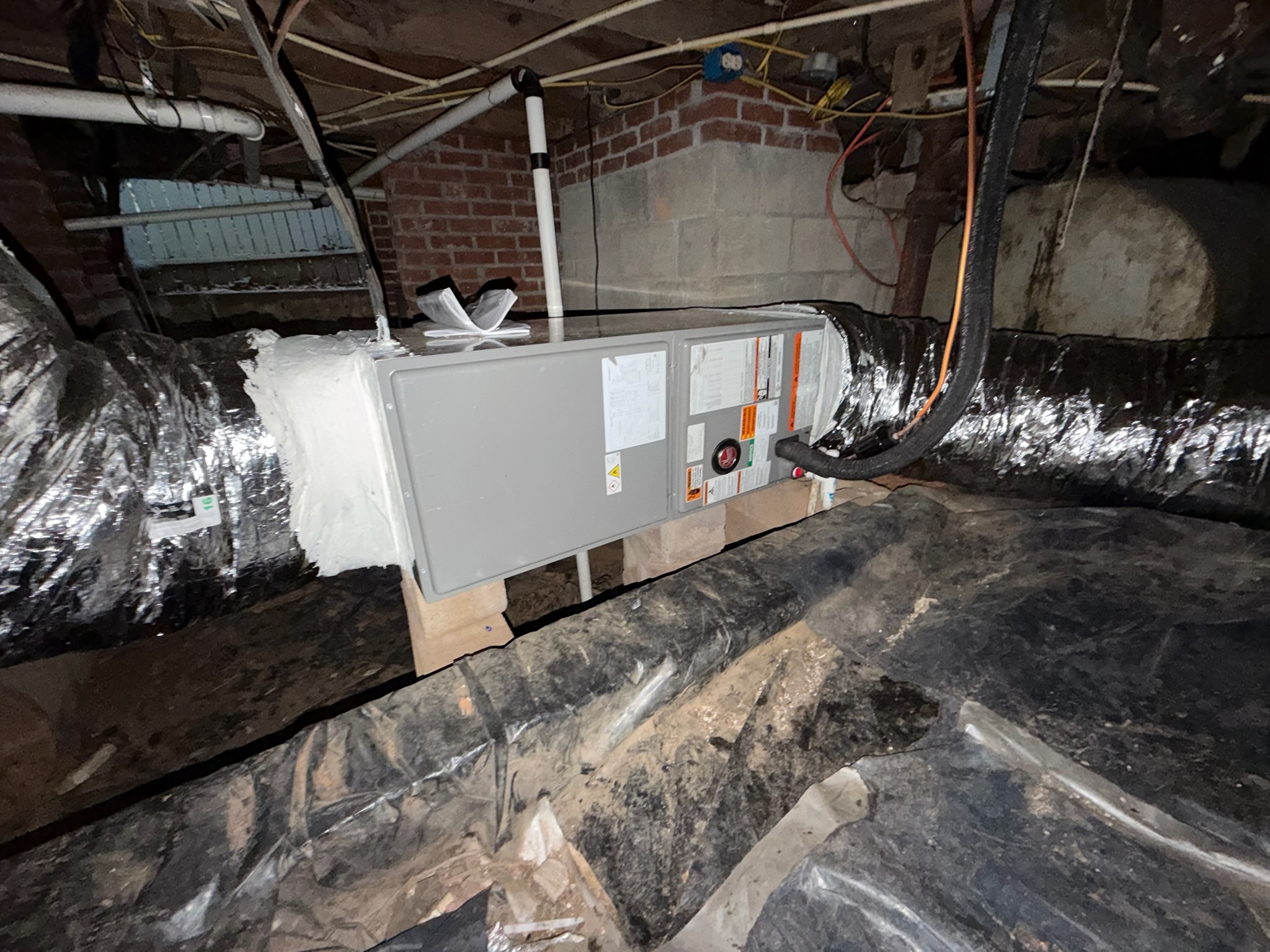
The heat pump repair calls we run most.
A heat pump looks simple from the yard and gets complicated fast once you open it up. It's running your heat and your AC off the same equipment, so the symptoms can point you the wrong way if you don't know the system.
Most no-heat calls come down to something small.
A new furnace is rarely the answer, and a tech who jumps straight there isn't reading the unit, he's reading his sales target. What actually stops a furnace, most of the time, is one of these.
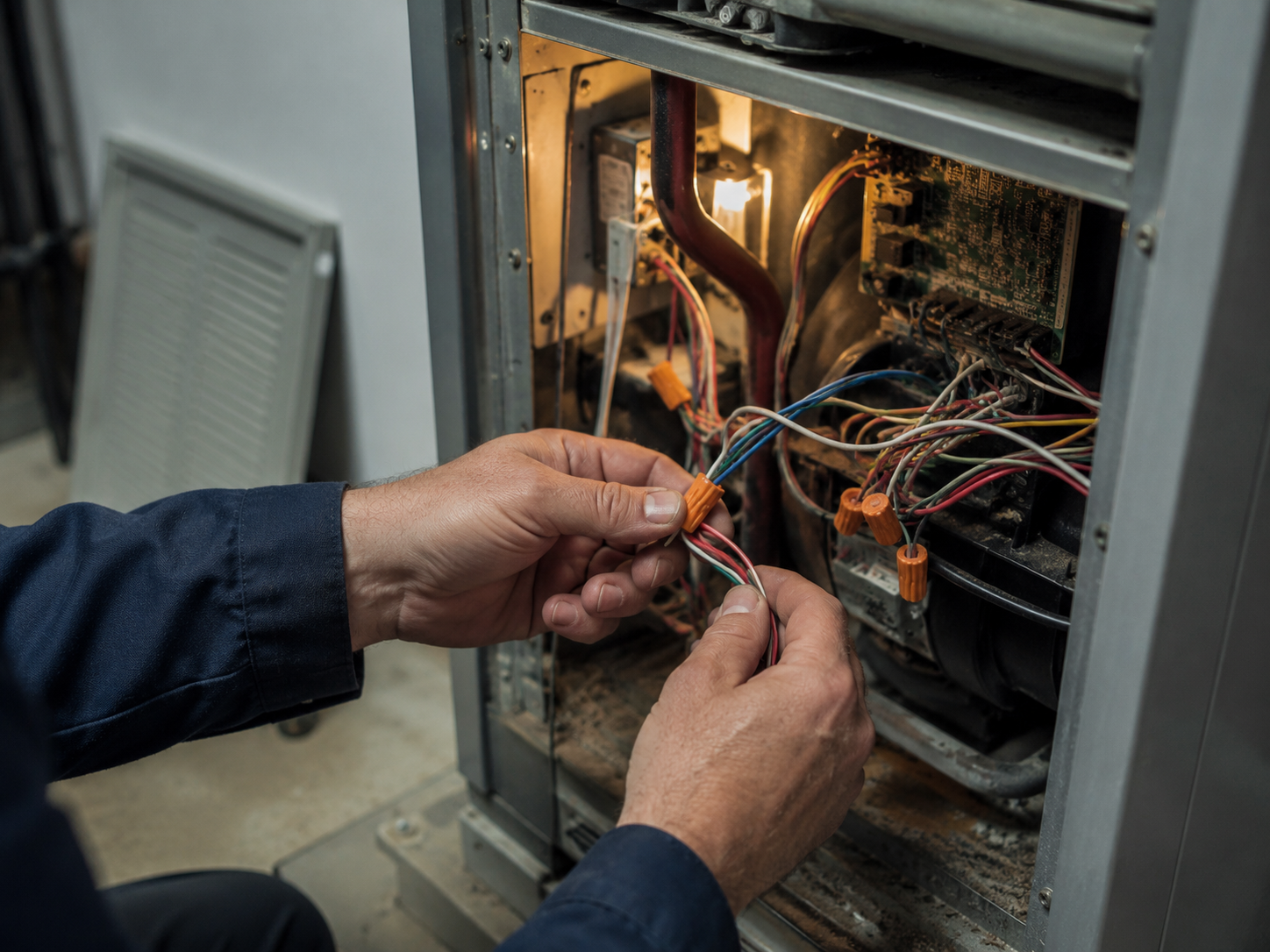
Whoever wired it never tightened the connections. The fix took twenty minutes.
It was wintertime, and the mother of a family friend had no heat and not much money to throw at it before the holiday. Steven went out and pulled the cover off the air handler.
Over the years the wire nuts had worked loose and the wires had melted where the current was arcing across the gap. It's a common result of a rushed install, and it's cheap to fix if you know what you're looking at.
"She didn't have a whole lot of money, so I told her not to worry about it. Just fixed it up and told her merry Christmas."
Heat pump or gas furnace for an Upstate home?
There's no single right answer. It depends on your house, your climate, and what you're paying for energy. But the Upstate has a particular winter, mostly mild with a handful of genuinely cold snaps, and that tilts the math, so let's lay it out honestly.
Heat Pump
- Efficient through most of our winter
- No gas line needed
- Becomes your AC in summer
- Leans on costlier backup heat in a hard freeze
- Gentler, steadier warmth (some take a season to like it)
Gas Furnace
- Shrugs off the coldest snaps
- Gas can be cheaper when it's really cold
- Quick, hot air on the worst mornings
- Needs a gas line and a separate AC for summer
- Combustion to keep safe (why we run a CO analysis)
Dual-Fuel
- Heat pump on mild days, furnace in a freeze
- The most efficient answer for many homes
- You don't choose, the system does
- Costs more up front
What actually decides it for an Upstate home
A big piece of it around here is whether you even have gas. In the towns, plenty of Greenville, Easley, and Greer homes have natural gas at the street. Out in rural Pickens and Oconee, around the lakes, and on a lot of newer construction, there's no gas main, so you're either all-electric or running a propane tank.
Propane usually costs more than natural gas, which tilts the math even further toward a heat pump. If you don't have gas and don't want a tank, a heat pump isn't just an option, it's the practical answer, and our climate happens to suit it.
Where dual-fuel earns its keep
A dual-fuel system pairs a heat pump with a gas or propane furnace and lets a smart thermostat run whichever is cheaper at the current temperature. The heat pump carries the mild majority of our winter on the efficient side.
When it gets cold enough that the heat pump would otherwise hand off to its expensive backup, the furnace lights instead, heating hard for less than strip heat costs in a deep freeze. It costs more up front, and it earns it back in the bills.
Weighing a new system? This is the conversation we'll actually have at your house, with your real bills and your real equipment in front of us, instead of a pamphlet. The full picture on replacement, sizing, and cost lives on our system replacement page.
How a heat pump holds up in an Upstate winter.
This is where a lot of the confusion lives, so let's ground it in real numbers for our area.
The coldest temperature heating equipment around here is built to handle is about 24 degrees. That's the design figure the Upstate sizes systems for, the temperature we stay above roughly 99 percent of the year. Our average January low sits around 32. So even the cold part of our winter mostly lives in the 30s, with a handful of nights that dip lower.
That matters because of something called the balance point. Every house has an outdoor temperature where the heat pump can just barely keep up with how fast the house loses heat. Above it, the heat pump carries the whole load by itself, cheaply. Below it, the electric backup strips pitch in. A modern, properly sized heat pump in a reasonably tight house balances out around 25 degrees. A drafty, undersized one might not balance until 40.
Put those two numbers together and you can see why heat pumps suit the Upstate so well. Our winters mostly sit above that 25-degree mark, so a good heat pump handles the bulk of the season on the efficient side and only leans on the pricey backup during the few nights that drop into the low 20s or colder. It's also why two houses on the same street can get very different power bills. The leakier house, or the one with a unit that's too small, spends more nights running strip heat.
The backup strips
When the heat pump can't keep up and the electric resistance strips come on, they don't cost a little more. They run somewhere around two to five times as much as the heat pump itself for the same heat.
A few of the coldest nights on strip heat is normal. A whole winter of it, because something's set up wrong, is the "my bill tripled" call we get every January, and it's usually fixable.
Emergency heat
The "EM heat" button tells the system to skip the heat pump entirely and run on those backup strips alone. It's there for when the heat pump itself has broken and you need to stay warm until we arrive.
Folks flip it on during a cold snap thinking it heats better. It doesn't. It just heats more expensively. Leave it off unless the heat pump has actually quit.
Turning it way down
With a gas furnace, a big setback while you're out saves money. A heat pump is different. Climbing several degrees at once tends to call in the expensive backup strips to recover faster.
You can spend more on the recovery than the setback saved. With a heat pump, small steady adjustments, or just leaving it be, usually win.
Defrost cycles
On a cold, damp day, your outdoor unit will stop heating, reverse for a few minutes, and throw off what looks like steam. That's it melting frost off its own coil, and our humidity makes it happen more here. It's normal and it clears on its own.
A unit iced into a solid block that won't clear is the real problem. That one's worth a call.
What actually happens on a heating repair call.
When your heat quits at ten on a January night with the kids already in bed, it feels like a disaster. From our side of it, most of these calls follow a pretty predictable path, and knowing that might take some of the edge off the next one.
The first job, before anybody mentions a part, is reading what the system is actually doing. A heat pump blowing room-temperature air is a different problem than a furnace that lights and quits. We check the simple things first, because the simple things are usually the answer: a tripped breaker, a thermostat that got bumped or has dead batteries, a filter so clogged it's choking the airflow, a switch somebody flipped by accident. A good number of "my heat is dead" calls end right there.
When it's deeper than that, we follow the system instead of guessing. On a furnace, we walk the sequence: is it calling for heat, is the igniter glowing, is the flame sensor proving the flame, is a safety locking it out. On a heat pump, we check whether it's stuck in defrost, whether the reversing valve is shifting, whether the charge and the electrical read right. Each one points at a specific, different fix that costs a different amount, which is exactly why a real diagnosis comes before a price.
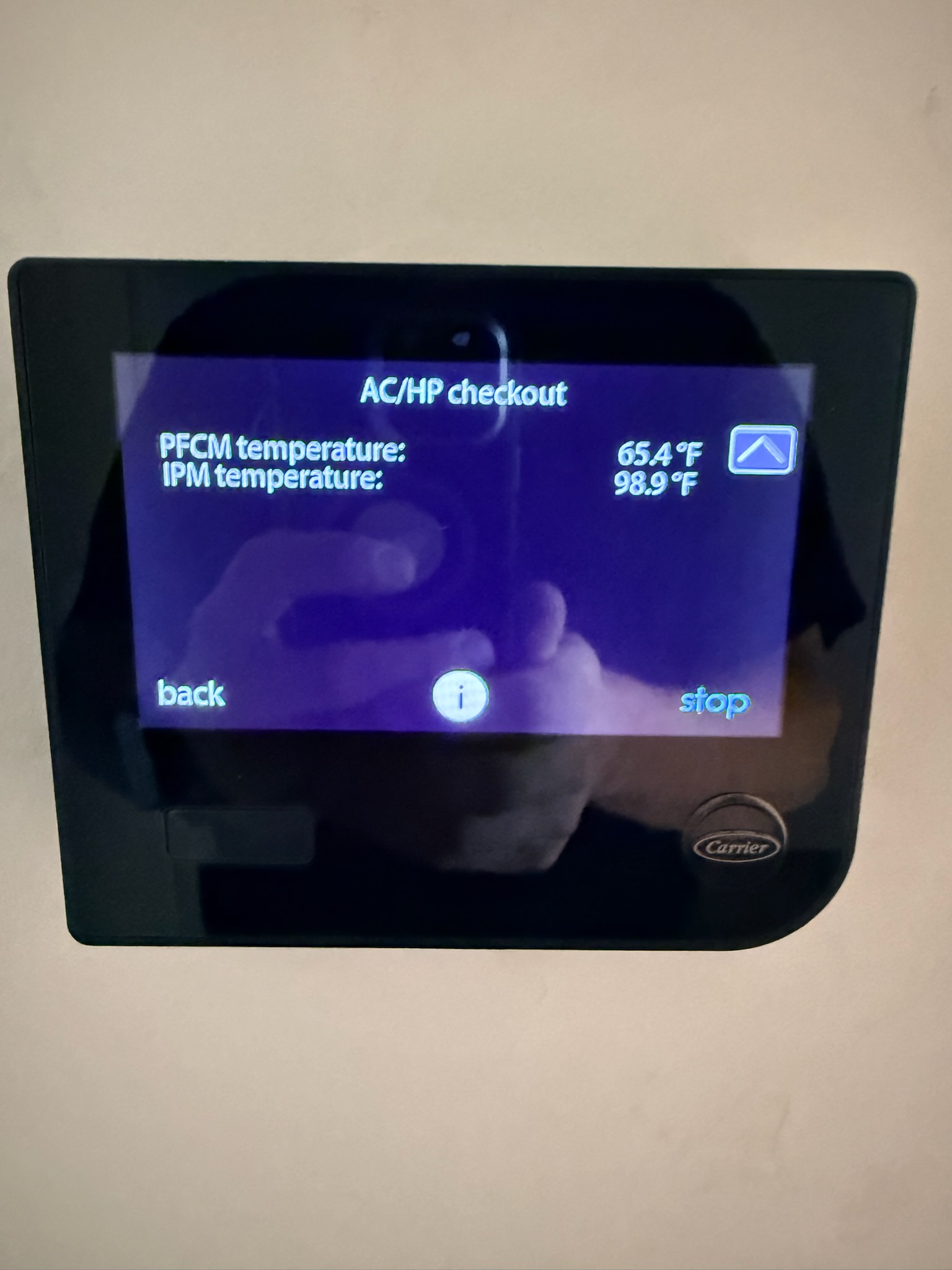
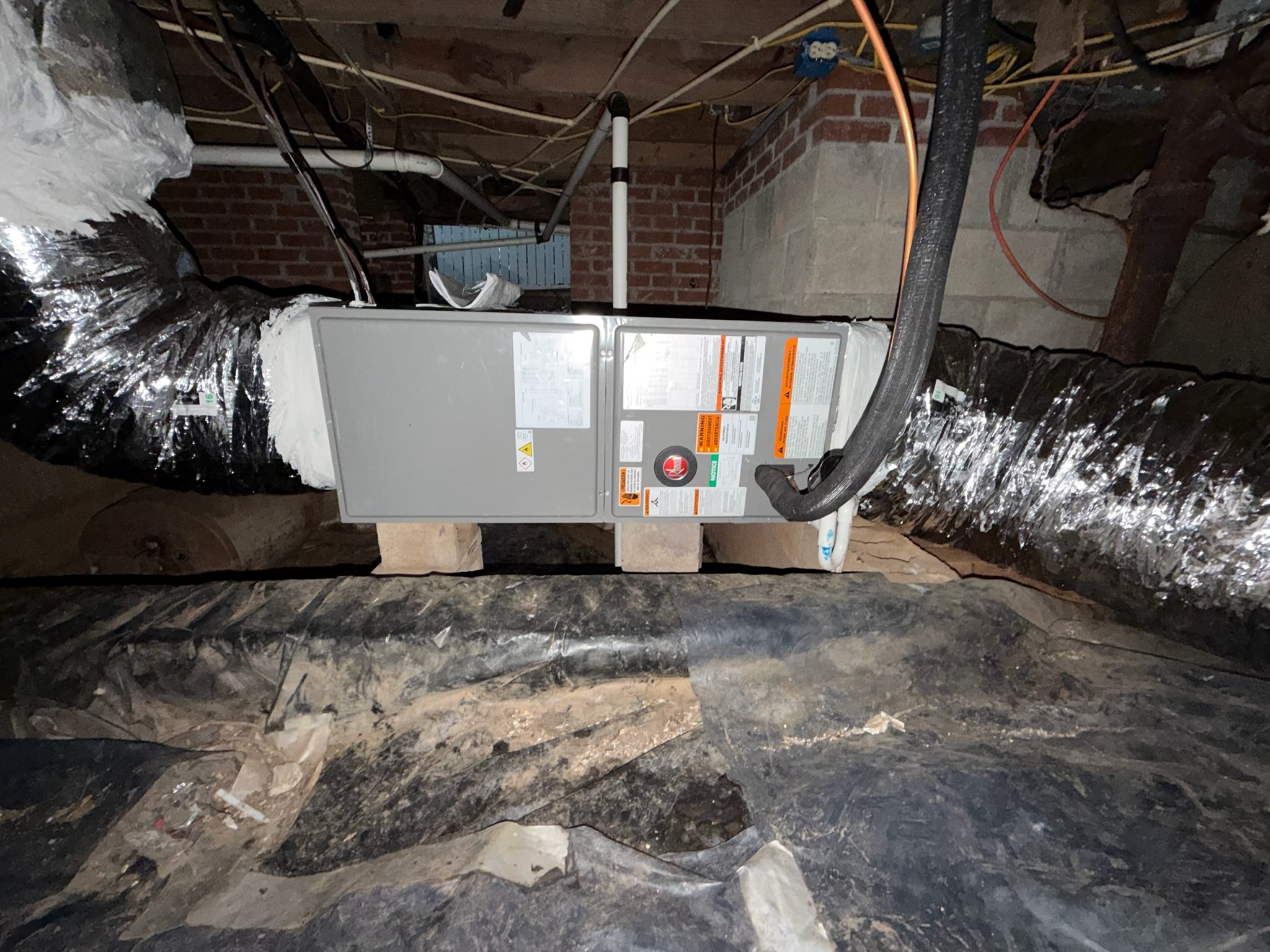
Heat out in a snowstorm, back up and running in twenty minutes.
Braden does heating and air himself. When his own heat went out during a snowstorm, he tried everything he knew, called around for advice, and got nowhere.
"I finally broke down and called Steven. It was very affordable and he had me up and running safely within 20 minutes."
safely
That twenty-minute fix wasn't luck. When you've run the same sequence on a few thousand systems, you stop chasing symptoms and go straight to the cause.
Fixing it isn't automatically the right move. Neither is replacing it.
A company that only ever pushes one of those isn't looking out for you. A few honest factors tell us which way to lean.
Age
Most heat pumps and furnaces give you twelve to fifteen good years. Past that, with a real repair on the table, a new system is often the smarter spend.
Repeat failures
Three service calls in two winters means the system is wearing out, and you're nickel-and-diming toward a new one anyway.
Efficiency
An aging system, or one limping on a partial failure, quietly costs you every month it runs. Sometimes the power bill is the loudest symptom.
The math
Age times the cost of the repair. If it clears $5,000, replacement deserves a serious look. See the rule below.
Age × repair cost. If that number lands north of $5,000, replacement deserves a hard look. A twelve-year-old unit facing a $500 repair sits right at $6,000, which is your cue to run the comparison. If you're truly better off replacing, we lay the real numbers out for a new heat pump or furnace system and let you make the call.
The refrigerant question. Really old systems run on R-22 refrigerant, which hasn't been made or imported in the country since 2020. If one springs a leak, recharging it can cost more than the repair is worth. Newer systems use R-410A, now phasing out too. So when an older unit needs a refrigerant-related repair, the age-times-cost math tilts harder toward replacement, and we'll tell you when that's the case.
What heating repairs really cost. Nobody else prints this.
The $99 diagnostic covers the trip and a full read on what's actually wrong, the same price on a Tuesday morning or a Sunday night in a cold snap. A flame sensor or a capacitor is a quick, inexpensive fix. A reversing valve or a control board is a different number. We give you a real figure after the diagnosis instead of a phone guess, and financing through Momnt is there for the bigger jobs and replacements. Estimates on a new system are free.
Without putting a fake number on a system we haven't seen, here's the honest shape of where heating repairs tend to land, cheapest to most. Knowing which bucket you're in is the entire point of the $99 diagnosis.
The small stuff
Flame sensor, igniter, capacitor, contactor, thermostat, a clogged drain line, a pressure switch.
The middle
A blower motor, a gas valve, a control or zone board, a defrost board.
The big three
A reversing valve, a compressor, or a coil.
The cheapest heating repair is the one you never need.
A heat pump that gets serviced before the season holds its efficiency and tends to skip the dead-of-winter breakdown. A furnace gets the combustion analysis that confirms it's burning clean and safe. Our heating maintenance plan covers exactly that, two visits a year with member pricing on any repair.
What folks say after a heating call.
"Exceptional Comfort Services did an amazing job! Steven was prompt, professional, and incredibly kind when we were without heat. Highly recommend!"
"I had no heat, my kids and wife were freezing, and from the moment Steven arrived he took the time to explain everything clearly so I understood exactly what was going on and what my options were. What started as a very stressful situation quickly became manageable."
"Steven came into the house in Greenville and realized the ductwork had fallen in places and there were issues with the heat pump. Got everything replaced, even added another vent in the living room, and it feels great in the house now."
Heating repair, answered straight.
Most give you twelve to fifteen years with regular maintenance. Heat pumps work a little harder than a furnace because they run year-round for both heating and AC repair, so staying on top of service matters. Once a system is past that age window and facing an expensive repair, replacement usually becomes the smarter spend.
For an Upstate winter, yes. They heat efficiently through the bulk of our season, which is mostly mild. In a hard freeze they lean on backup electric heat, which costs more to run, and that's the one stretch where a gas furnace or a dual-fuel setup pulls ahead. For most homes here, a properly sized and correctly charged heat pump handles our winters well.
It could be in a normal defrost cycle, which passes on its own in a few minutes. It could be a low refrigerant charge, a stuck reversing valve, or a thermostat issue. Because those range from "nothing's wrong" to "needs a real repair," it's worth a diagnosis rather than a guess. We'll tell you which one you've got.
On a heat pump, the usual culprit is the auxiliary electric heat running more than it should, often from a thermostat setting or a system that's struggling and calling for backup. On a furnace, a spike can point to an efficiency problem or a part starting to fail. Either way it's diagnosable, and fixing it often pays for itself over a winter.
The diagnostic is $99, any day of the week. The repair itself depends on the part and the system, from an inexpensive flame sensor or capacitor up to a reversing valve or control board. We give you a real number after we've diagnosed it, not a guess over the phone, and financing through Momnt is there for the bigger jobs.
We answer the phone around the clock, and a no-heat call in winter is one we move on quickly, nights and weekends included. Most repairs get handled on the same visit once we've found the problem. If a part has to be ordered, we tell you the timeline up front.
Comfortably more than our winters usually throw at it. Equipment here is sized for about 24 degrees, and a modern, properly set up heat pump keeps heating efficiently down into the 20s before it needs much help from its backup. On the rare night we drop into the teens, the backup strips, or a furnace on a dual-fuel system, carry the gap. For our climate, a correctly sized heat pump is a genuinely good fit.
The "EM heat" or "emergency heat" setting runs your backup electric strips on their own and skips the heat pump entirely. It's meant for when the heat pump itself has failed and you need to stay warm until we get there. It costs noticeably more to run, so it isn't something to switch on during a normal cold snap. If you've had to flip over to emergency heat, that usually means the heat pump needs a look.
Not by much. Unlike a gas furnace, a heat pump tends to call in its expensive backup heat to recover from a big setback, which can cost more than the setback saved you. Small, steady adjustments work better, or a thermostat set up specifically for a heat pump that knows how to recover gently.
For most of an Upstate winter, the heat pump, because moving heat takes far less energy than burning fuel to make it. A furnace pulls ahead only on the coldest stretches, and only if you have affordable natural gas. If you're on propane or all-electric, the heat pump usually wins outright. A dual-fuel system gives you whichever is cheaper at every temperature.
A little frost that clears on its own during a defrost cycle is normal, especially in our damp cold. A unit iced into a solid block that stays that way is not. That points at a defrost control or sensor problem, a low refrigerant charge, or an airflow issue, and it's worth a call before it strains the rest of the system.
Reviews from our community.
Get your heat back on.
If your heat pump or furnace isn't keeping up, the sooner we get on it, the better. Call or text us, or send the details and we'll get you on the schedule, often the same day. You'll get a real diagnosis and an honest answer on whether to repair or replace.
Request Service
Tell us what's going on, and we'll get you sorted out.
Let's start with your details
We're going to start by getting your information, and then we'll find out about what you need on the next step.